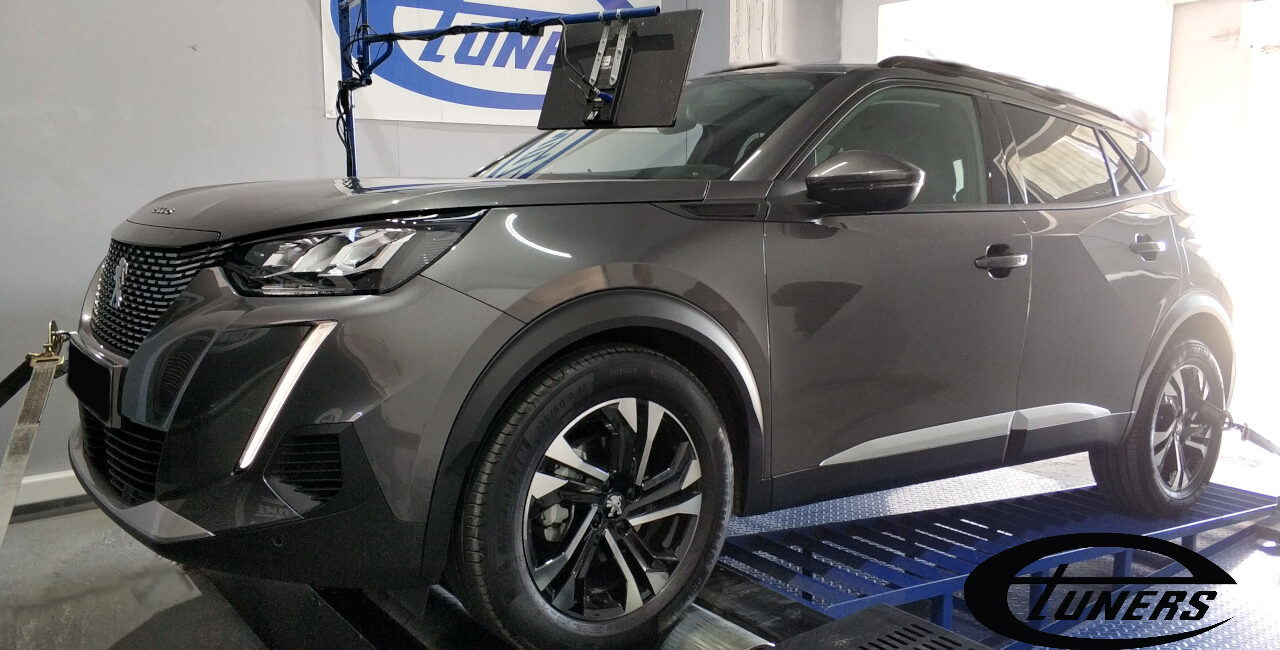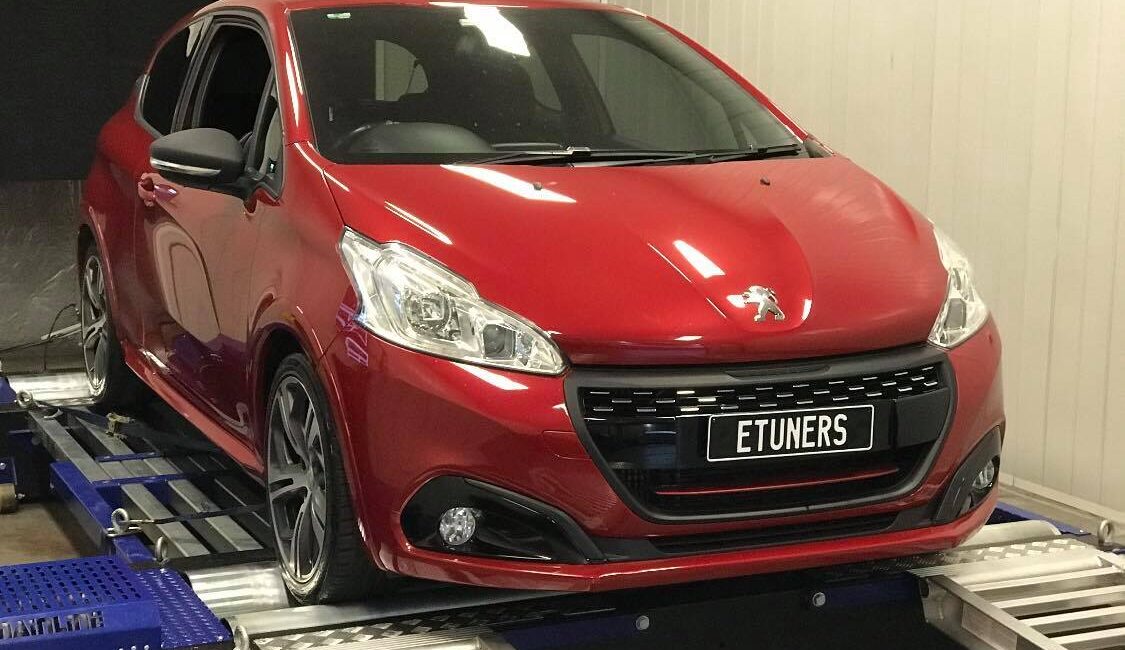

Peugeot 208 MY2021 1.5BlueHdi – Adblue immobilization fix
Peugeot 208 MY2021 1.5BlueHdi – Adblue immobilization FIX
If you are the happy (or not so happy depending on the bill) owner of a Peugeot or Citroen car equipped with a 1.5BlueHdi engine for long enough, you get to enjoy its blessings, given by the manufacturer. This diesel engine was developed with a 16valve head and much more modern technology compared to the older -but much more reliable- 8valve DV4 and DV6 engines.
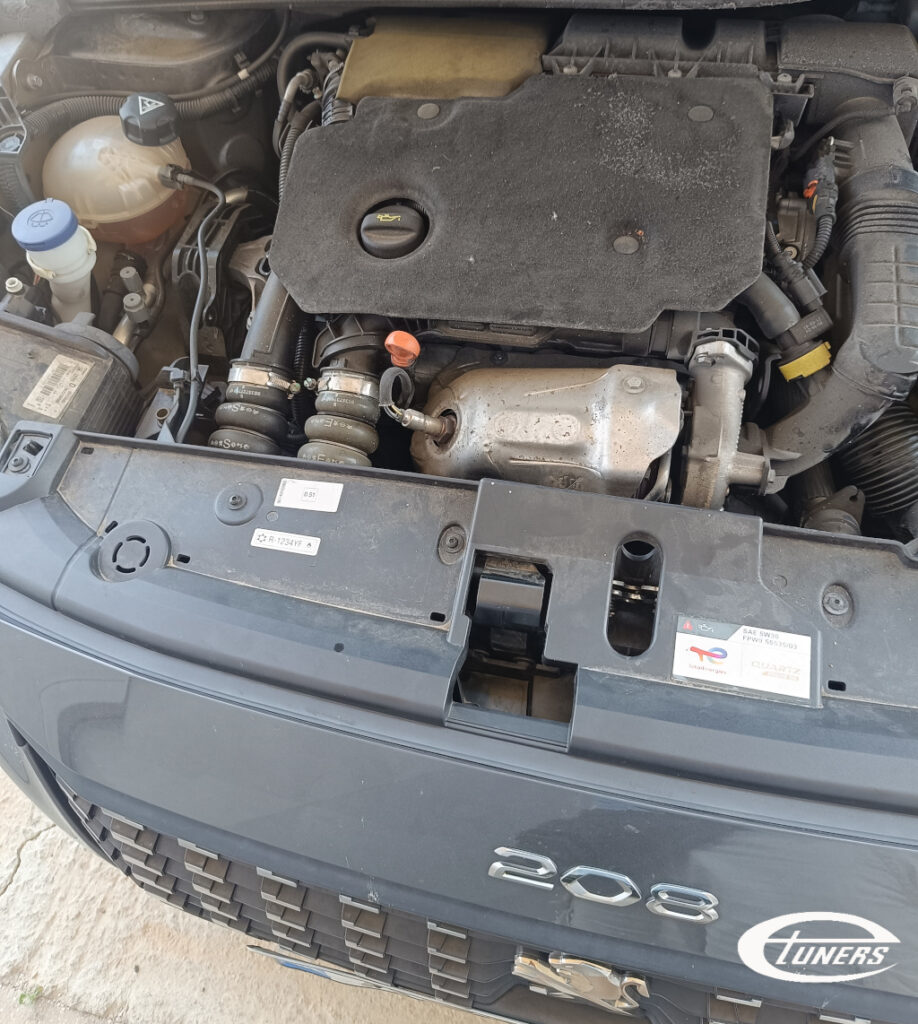
Its first blessing is the timing chain. Which can snap at any time between 80.000km to 120.000km, bringing 16 bent valves and whatever else comes with it. Thankfully this can be remedied by replacing the timing chain set, to a newer stronger (thicker) 8mm type developed by Peugeot. If you are lucky enough to have a rattling chain within the first 2 years of your cars life, usually under warranty.
Its second blessing is the very problematic adblue / SCR additive system. Like with all other modern diesel engines, it was a new system developed to help reduce NOx (Euro6 emissions). It is a little tank, a little pump, a little feed line and a little injector spraying Urea (literally smells like pee) into your exhaust before your cat converters.
How often? Every now and then but not too often. Just enough to lower emissions in a Euro6 test cycle. To help trap and clean the extra harmful particles that the dpf filter cannot take care of. With this lovely new system came radical, never seen before countermeasures in case it stops working. Whether it be a malfunction or just lack of Urea in your tank the result is the same: big warnings on your dashboard with a blinking Urea light. And a countdown for topping up or fixing the system before the car never starts again. I repeat: never start again!
With any fault coming from the Adblue system the car’s software calibration converts the physical failure into an immediate crisis. A kilometer countdown until the car never starts again.
Never before in all of automotive history had there been a time when a car threatened its driver it would not start unless fixed. Until now. For a subsystem that is not directly related to the engine’s health. These countermeasures are clearly punitive. Bringing the car world into a very bad, dystopian future when cars get to decide under which conditions they will work or not.
How the system works
Lets split the SCR additive system into subcomponents. Then it becomes more obvious how many different secondary problems can make your car not start. Which have nothing to do with the engine’s health by itself, just the SCR/Adblue system not working properly. Dragging everything else down with it and eventually making the car undrivable.
- Urea tank, pump and electronic controller, that checks tank level and feed pressure to the injector
- Feed line, from the tank which is near the back of the car, feeding urea to the injector which is at the front of the engine
- Urea Injector , located onto the downpipe, right after the turbo, before the SCR cat and dpf filter
- SCR cat converter inside the downpipe, right after the injector, before the DPF filter
Logical Diagram
[ Diesel Engine ] produces exhaust gas
[ AdBlue / SCR Injector ] fed by the [ SCR/adblue Tank ] = sprays Urea into the exhaust gas stream
[ SCR Catalyst (Converts NOx to N2 & H2O first)] = combines Urea and exhaust gas to produce N2 and water
[ Particulate Filter (DPF/FAP)] = Captures final soot particles, removes and burns soot during regeneration
[ Exhaust Tailpipe] = Emits harmless Nitrogen & Water Vapor
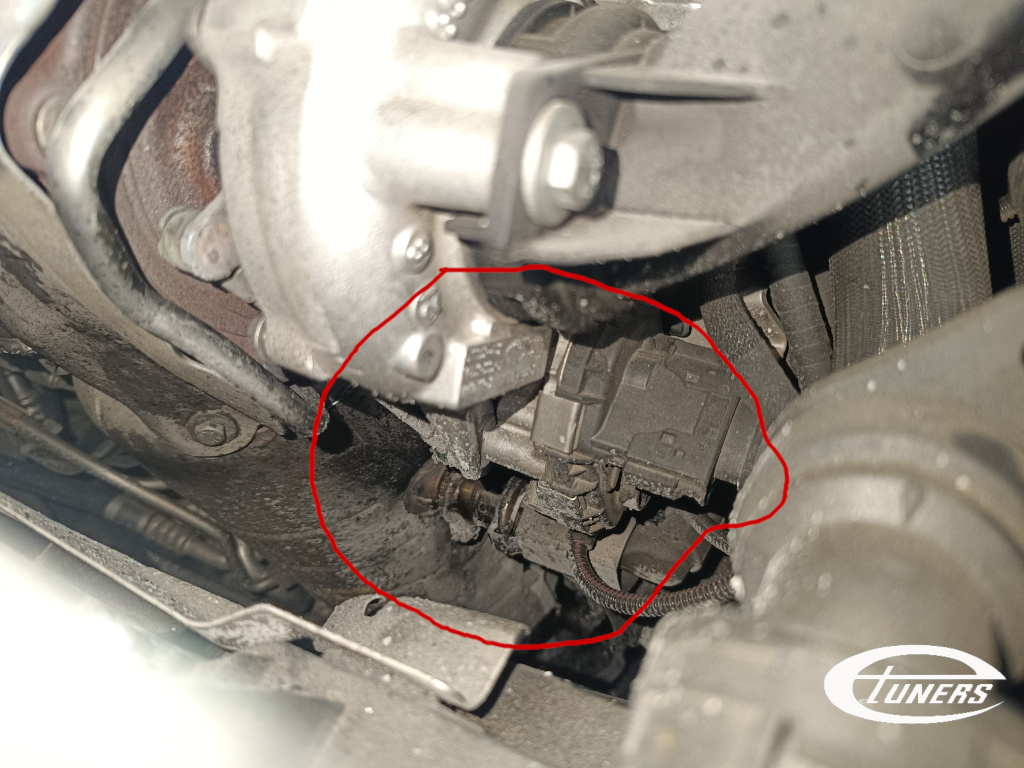
Related fault codes on the ECU
If any of the above starts malfunctioning or misbehaving, you will most likely start seeing faults like P20EE , P20E8
Reasons for the problems
The primary reason for this system to stop working is Urea crystalization. The liquid inside the adblue tank has the consistency of sugarwater. If it starts to dry up, crystals form and eventually, they block the feed line. Then the pump starts heating up and the power control circuit fails. Or the injector starts leaking. On average problems like these can appear even from as early as 40.000km or less, if the car remains parked and unused for long periods of time. For most owners, it will be after warranty has expired. Repairing it is a minimum of 1500Euros in cost.
When the Engine computer triggers faults (P20EE and P20E8), your AdBlue/SCR system is failing to reduce nitrogen oxides. Often caused by a crystallized AdBlue injector, a crystallized feed line, a malfunctioning urea pump and tank system, or a bad NOx sensor. The engine ECU gives you a red or amber warning stating “Emission control system fault: Engine start prohibited in 1,100 km”. After the countdown reaches zero, the engine will no longer start. The car has to be towed to a dealership or an authorized repairer to fix the problem and reset the immobilization.
Due to part shortages worldwide and all shops having to source parts on the spot according to their needs, the repair could take weeks. For a system that is known to be faulty and has triggered a big scandal with Stellantis.
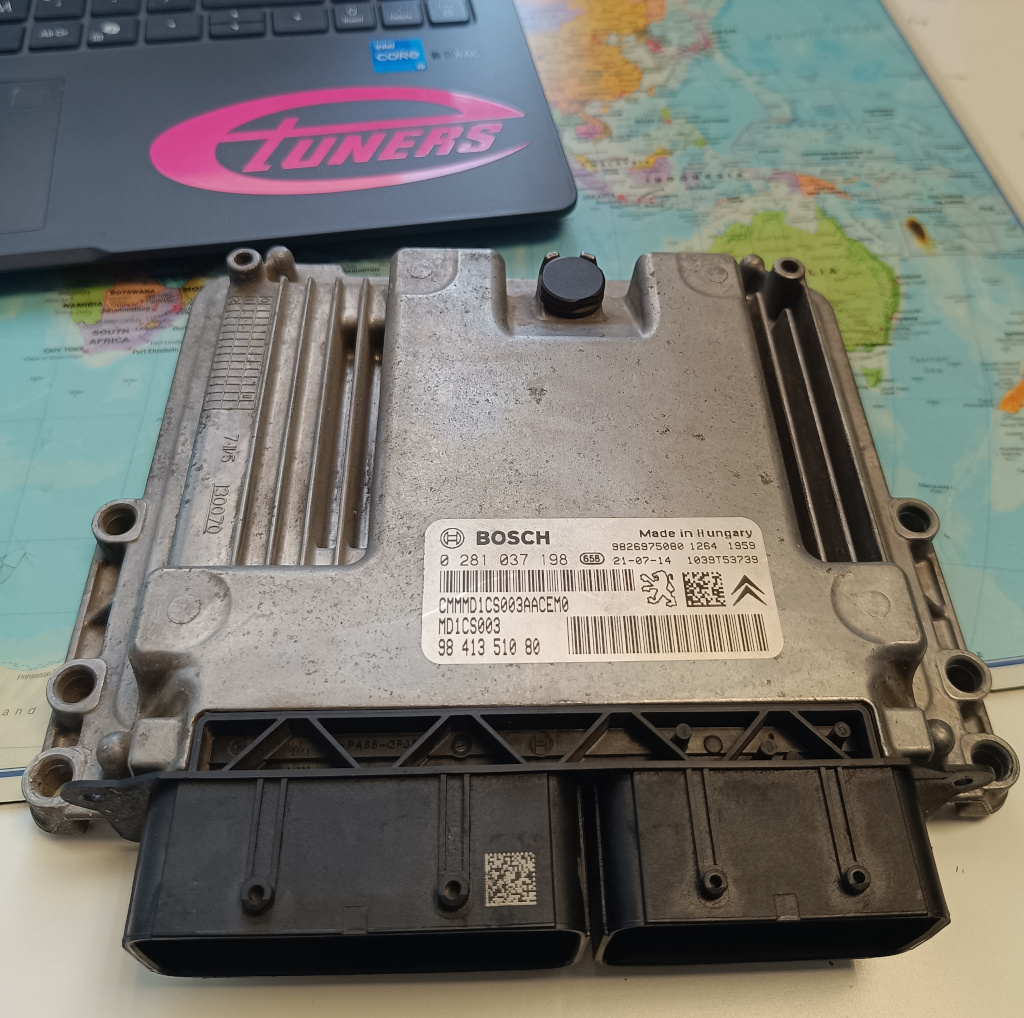
Software Solution to Prevent AdBlue-Related Car Immobilization
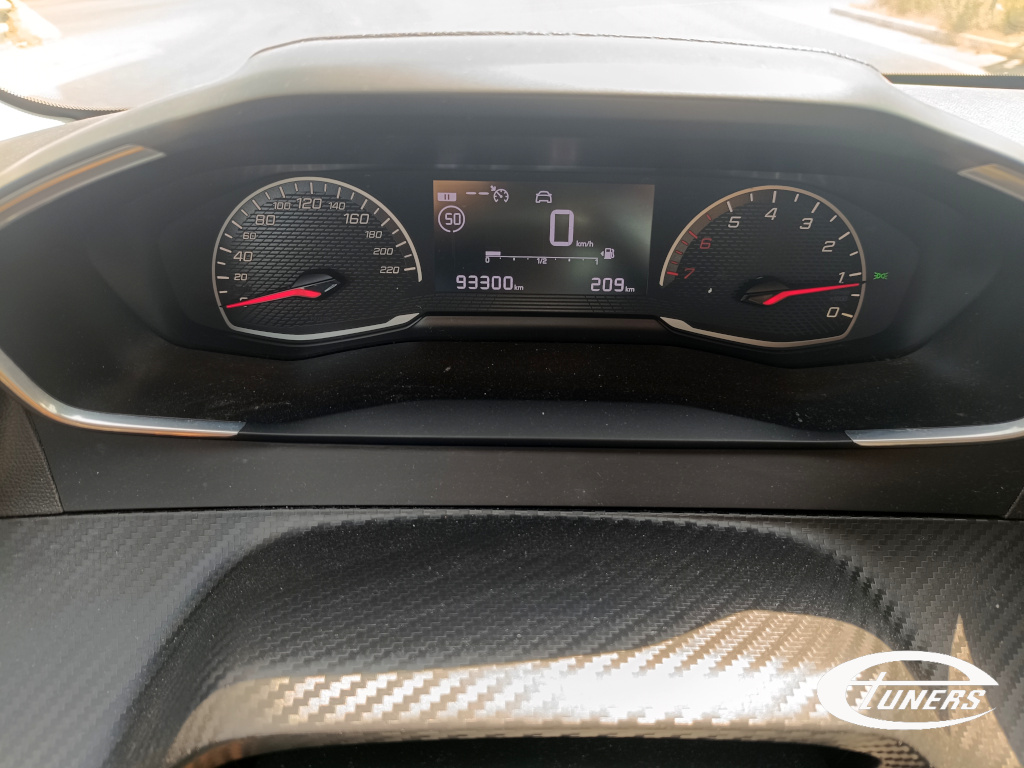
Legal and Environmental Compliance Notice
For more information on how to patch yours, please contact us
Are other car manufacturers any better with their Adblue/SCR systems?
While Euro6 Citroen and Peugeot diesel cars have become very infamous for having adblue problems, many other manufacturers are also facing the very same issues. The adblue system is similar in its implementation across different brands. Brands like LR and Jaguar are also notoriously unreliable with adblue. Leading to immobilization, big repair bills and customer frustration.
The Adblue Cartel
On July 8, 2021, the European Commission penalized major German automakers with an €875 million ($1 billion) fine for colluding to limit the technical development of AdBlue emissions-cleaning systems. Between 2009 and 2014, the “Club of Five” (BMW, Mercedes-Benz and the Volkswagen Group) held regular technical meetings. Although they possessed the technology to clean nitrogen oxide (NOx) emissions beyond the legal minimums, they explicitly agreed not to compete on superior cleaning capabilities. The cars remained completely legal and passed all tests. However, the companies secretly colluded to limit the size of AdBlue tanks, agreeing not to compete on making their emissions-cleaning systems even cleaner than the law required.
The AdBlue Mechanical Failure Scandal (2022–Present)
While Peugeot Citroën did not collude to restrict technology advancements, they manufactured a highly publicized,faulty AdBlue system that triggered heavy pressure from the EU and national consumer authorities. On hundreds of thousands of Peugeot and Citroën diesel vehicles, a major defect in the integrated AdBlue tank caused false warnings. The cars flagged low AdBlue levels even when full, triggering software countdowns that threatened to permanently immobilize the engines (which we developed a solution to prevent). Dealerships forced consumers to pay out-of-pocket expenses (averaging more than €1,000) to replace the entire tank system. This sparked massive group complaints tracked by European consumer watchdogs. Following an investigation by national authorities coordinated with the European Commission, Stellantis launched an EU-wide customer compensation platform. They agreed to pay millions in damages and cover the cost of repairs for affected owners of Peugeot, Citroën, DS, and Opel vehicles.
Despite the lawsuit, the situation for the owner is not that much better today. If you live in a remote area, an island or anywhere far from authorised PSA/Stellantis service centers your options for bringing the car in for a fix are still extremely limited. If engine immobilization occurs because of the adblue system, you are stuck for good.
More reading
https://www.euroconsumers.org/scrutiny-adblue-compensation-platform/
Category:
Date:
22/07/2026